

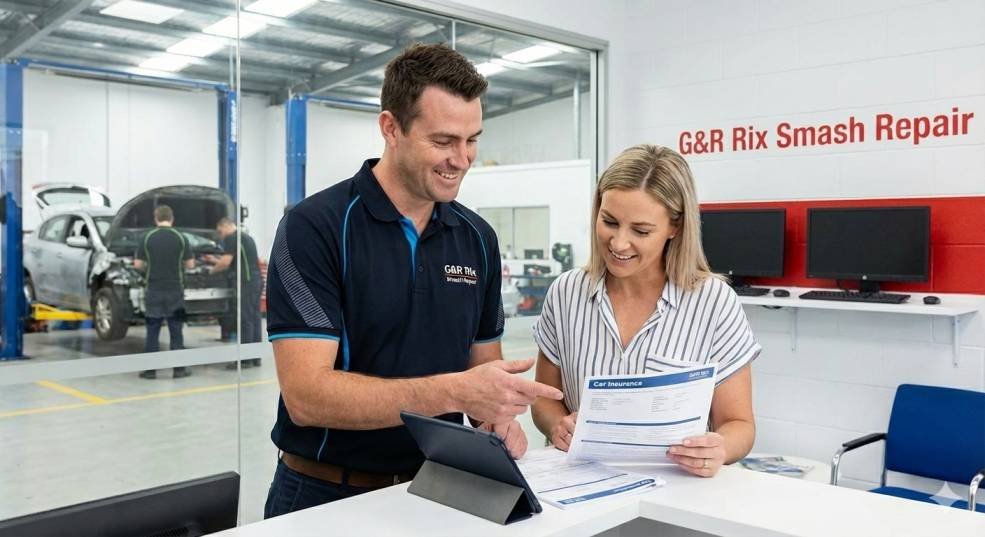
Car accidents do not feel overwhelming, but a car insurance claim has another level of stress. Do you know why? Because many people find the paperwork confusing, unclear repair options, and the pressure to use an approved repairer, they don’t trust it. Maybe you also feel the same stress when you just want your car fixed properly and back on the road after an accident. But after reading this guide, you’ll never go through it.
So, this article shows you how to avoid common clay mistakes, understand your rights, and more through the process with confidence. However, with local expertise, the right guidance means faster approval, quality repairs, and far less frustration from start to finish.
Car Insurance Claim Support in Liverpool
Common Insurance Claim Challenges
- Unclear claim process
Many drivers don’t know what happens after they lodge a claim. Insurers use complex steps and turns that are not explained clearly, causing delays and stress. - Pressure to use the insurer’s repairer
You may be told you must use a specific repairer. This is often not true, and it can limit repair quality and your control over the process. - Delays in damage assessment and approval
Waiting for vehicle inspections, repair estimates, and insurer approval can leave your car off the road for weeks longer than necessary. - Confusion about excess and fault
Drivers are often unsure when they need to pay an excess, especially in not-at-fault or third-party claims, leading to unexpected costs. - Poor communication from insurers
Lack of updates, unanswered calls, and clear requests for additional information are common and frustrating for claimants.
How Does Local Expertise Help You to Navigate These Challenges?
Local experience matters when dealing with car insurance claims. G&R Rix Smash Repair is a trusted and well-known expert across Liverpool, Moorebank, and Sydney.
Instead of hassling you, we’ll guide you throughout the process. We’ll explain your rights, help you choose your own repairer, manage insurer communication, and push for faster approvals. Moreover, it helps you reduce delays, avoid shortcuts in repairs, and get your car fixed properly with less stress for you.
What to Do After a Motor Accident
Immediate Steps After an Accident
First, stop your vehicle safely. Turn on hazard lights. Check for injuries, including passengers and other drivers. However, if anyone is hurt, call emergency services immediately. Take clear photos of the same damage to your car, road conditions, and license plate. These photos help later during the insurance claims process and damage assessment. Also, write down what happened while it’s fresh in your mind.
Vehicles Involved and Party Property Damage
Exchange details with all vehicles involved. This includes names, phone numbers, addresses, license numbers, and insurance company details. If property is damaged, such as fences, poles, or parked cars, record that too. Moreover, party property damage claims often fail because details are missing. However, if a driver refuses to cooperate, note their registration and location. This information protects you when you lodge your claim.
When to Contact NSW Police
Contact NSW police if someone is injured, traffic is blocked, or a driver leaves the scene. You may also need a police event number for your insurer. Even if police do not attend, you can still report the accident later online. This report also supports your accident report and helps you avoid disputes during the claim process.
Understanding CTP Insurance and Compulsory Insurance
CTP insurance is compulsory in NSW. It covers injuries to people, not damage to vehicles. It does not fix your car or pay for repairs. However, car insurance is separate and covers damage to your vehicle and others’ property. Many drivers confused the two and delayed their claim. But knowing the difference helps you act fast and start your car insurance without wasting time.
How to Start Your Car Insurance Claim?
Start Your Claim and Claim Online Options
Start your claim as soon as possible. Delays can slow approvals and inspections. Most insurers allow you to claim online, which is often faster than calling. Online claims also create a clear record of what you submitted. Be accurate and honest when answering questions. However, small mistakes can lead to delays or disputes later in the claim process.
Information Needed to Lodge Your Claim
Before you begin, gather the right information. Having this already makes claim lodgement quicker and smoother.
- Policy details: Your policy number, cover type, and whether you have an agreed value or market value.
- Accident report: Date, time, location, how the accident happened, and details of vehicles involved.
- Contact details: Your phone number, email, and the other driver’s contact and insurance details.
Claim Lodgement and Receiving a Claim Number
Once you submit the claim form, your insurer will confirm claim lodgement. You will receive a claim number by email or SMS. This number is also very important. Use it every time you speak to your insurer or repairer. You need to keep it safe, as without it, follow-ups can be slow and frustrating.
Using the Insurer Hotline
The insurer hotline is useful when you need urgent answers. Call if your car is not drivable, if towing is needed, or if the online system fails. Ask clear questions and take notes. Also, write down the name of the person you speak to. This helps you with information changes later or if your claim stalls.
Understanding the Car Insurance Claim Process
Step-by-Step Claims Process Overview
The claim process usually follows a set path. First, you lodge your claim online or by phone. Next, the insurer reviews your information, and a damage assessment of the vehicle inspection is arranged. After this, the insurer will approve repairs if you must pay an excess or if the car is a total loss. Knowing these steps also helps you spot delays early and follow up before weeks are lost.
Completing the Claim Form Correctly
The claim form is where many problems start. Do not rush it, but describe the accident clearly and stick to facts. Avoid guessing or blaming unless you are sure. Also incorrect are missing details that can trigger extra questions on investigations. This slows approval. Always take note of dates and locations before submitting the form; remember, accuracy protects you.
Product Disclosure Statement and Disclosure Statement PDS
Your Product Disclosure Statement (PDS) explains what your policy covers and what it does not. Most people never read it until there is a problem. So, do look for sections on excess, choice of repairer, hire car, and exclusions. This disclosure statement, PDS, is what insurers rely on when deciding your claim.
What Happens After You’ve Lodged Your Claim
After you’ve lodged your claim, the insurer may ask for additional information or photos. A vehicle inspection is usually arranged next. Once the damage assessment is complete, the insurance approves the repair or declares a write-off. However, delays occur; follow up using your claim number. Staying involved prevents your claim from going quiet.
Excess Payment, Fault, and Financial Responsibility
When You Need to Pay an Excess
You usually pay an excess when you are at fault or when the at-fault driver cannot be identified. Some policies also require an excess if the other driver is uninsured. Many drivers pay it too early. You normally do not pay for excess until repairs are approved or completed. Always confirm this with your insurers before making any payment.
At-Fault vs Not-At-Fault Claims
At-fault means your insurer believes you caused the accident. Not at fault means another driver is responsible for the accident. Not at fault claims, you may not need to pay an excess if the other driver’s details are confirmed. If the fault is unclear, insurers may delay decisions. Clear photos, witness details, and a police report can speed this up.
Excess Payment and When You Agree to Pay
Never agree to pay an excess unless it is clearly explained. Ask why it applies and where it is written in your policy. Some insurers also ask for agreement early, when even liabilities are still being assessed. Once you agree, it can be hard to reverse. So, take time to understand your position before accepting any charges.
Financial Rights Under Consumer Law
You have high rights under Australian consumer law that repairs must be safe and fit for purpose. Insurers cannot force low-quality repairs or unfair costs. You may also have the right to question decisions and request written explanations. If something feels wrong, ask for it in writing. This protects you and strengthens your position if disputes arise.
Car Insurance Claim Damage Assessment and Vehicle Inspection
Damage to Your Car and Initial Assessment
The first assessment is about more than visible damage. Modern vehicles have serious damage behind bumpers, sensors, and panels. What looks minor can involve structural or safety issues. If this stage is rushed, repairs may be incomplete. Also, a proper initial assessment helps prevent surprise costs and delays later in the claim.
Vehicle Inspection and Loss Assessor Role
The vehicle inspection is often done by an insurance-appointed loss assessor. Their job is to measure damage and control costs. They may not strip parts unless necessary. This means some damage can be missed. However, experienced repairers can identify hidden issues and push for a reassessment before repairs begin.
Repair Estimate and Insurer Approval
The repair estimate lists labor, parts, and repair methods. Insurers review this before approving. If the estimate is too low, shortcuts may be taken. But if it’s accurate, repairs are done properly. Approval should always be in writing. In addition, never allow work to start before insurer approval is confirmed.
Importance of Paint Matching and Chassis Alignment
Poor paint matching lowers your car’s resale value. It also makes repairs obvious. Chassis alignment is even more critical. However, misalignment affects steering, tire wear, and safety systems, which are not cosmetic issues. Proper equipment and skilled technicians are also essential to restore your car to pre-accident condition.
Collision Repair Standards and Quality Parts
Genuine Parts (OEM) vs Aftermarket Parts
Using genuine parts ensures your car maintains safety performance and resale value. Aftermarket parts may be cheaper but can differ in strength, fit, and finish. Some insurers push aftermarket parts to reduce cost, but this can compromise the structural integrity and long-term reliability. However, choosing a repairer like G&R Rix Smash Repair guarantees OEM parts are used whenever possible, so your vehicle is restored to factory standards.
Collision Repair and Industry Code of Practice
Collision repair must follow the industry code of practice, which sets standards for safety, workmanship, and materials. This includes correct repair techniques, structural checks, and paint processes. Skilled repairers also adhere strictly to these guidelines, preventing hidden weaknesses or safety issues. Insurers recognize those who comply, which helps speed up approval and reduces disputes during the claim process.
Lifetime Warranty on Repairs
A lifetime warranty gives you peace of mind that repairs will last. It covers workmanship materials, so if a repaired part fails, it will be fixed at no extra cost. Not all repairs offer this, but G&R Rix Smash Repair stands by its work. This also ensures your car remains safe, reliable, and looking good as new, protecting your investment long after the initial claim.
Total Loss and Repairable Write-off Explained
What is a total loss?
A total loss occurs when repairing your car costs more than its current value. Insurers calculate this using market value repair estimates and salvage potential. In these cases, your insurer may offer a payout instead of repairing the vehicle. So, understanding this also helps you to make informed decisions quickly, avoiding unnecessary delays or disputes during your claim.
Repairable write-off vs total Loss
A repairable write-off means the car can be safely repaired, but the insurer has deemed it uneconomical to do so. Unlike a total loss, it can be fixed and returned to the road if a skilled repairer handles the job. Knowing the difference is critical, as it affects insurance settlements, repair choice, and whether you can safely drive the vehicle again.
Agreed value vs market value
Agreed value policies pay the amount stated in your contract if your car is a total loss, regardless of market fluctuations. Conversely, market value policies pay what your car is worth at the time of the accident. This understanding will help you to prevent surprises during settlement and ensure you receive a fair payout for your vehicle.
Hire Car and Third-Party Claims
Accessing a Hire Car During Repairs
If your car is not drivable, most comprehensive policies provide access to hire a car while repairs are underway. Availability can vary depending on your insurer and the policy terms. Arranging this early also avoids delays and keeps you mobile. A local Smash repairer like G&R Rix Smash Repair can help coordinate hire car requirements with your insurer, ensuring you are not left without transport during the claim process.
Third-Party Claim and Party Property Damage
If another driver caused the accident, you may lodge a third-party claim to cover your car and associated damages. Similarly, third-party property damage claims cover fences, poles, or other property damage in the accident. Also, gathering photos, witness details, and accurate documentation improves the success and speed of these claims, helping you avoid disputes and unnecessary out-of-pocket costs.
Managing Claims With the Insurance Company
Active communication with your insurer is essential. Provide all requested documents promptly, follow up regularly, and keep a record of conversations. Responding quickly to requests for additional information reduces delays in approvals and payments. Moreover, experienced repairers like G&R Rix Smash Repair liaise directly with insurers on your behalf, helping manage the process and ensuring your vehicle is repaired correctly and safely.
Communicating With Your Insurance Company For Your Car Insurance Claim
Providing Additional Information
Insurers often request additional information to process your claim, such as photos, repair estimates, or witness statements. Missing or incomplete details can cause delays or even claim rejections. Also, keep copies of everything you have submitted. Clear, organized information makes the process smoother, and health prevents unnecessary back and forth.
Tracking Your Claim After Insurer Approval
Once your repairs are approved, they are tracked regularly. Check if repairs are completed on his schedule and confirm parts have arrived. Some insurers provide online portals or claim updates via email. Staying involved ensures issues such as delays, missing parts, or incomplete work are addressed early, reducing stress and avoiding disputes when collecting your car.
Understanding the Insurer’s Claims Decision
After assessing your claim, the insurers provide a decision on repairs, excess, or total loss. Read their explanation carefully. If something is unclear, ask for clarification and writing. Also, understanding why a decision was made helps you challenge incorrect assessments, negotiate better settlements, and ensure your rights under consumer law are protected.
Why do Liverpool Drivers Choose G&R Rix Smash Repair?
At G&R Rix Smash Repair, expertise in car insurance and repair ensures every step of the process is managed efficiently. As an expert panel beater, repairs meet the highest safety and quality standards. Being a trusted local Smash repair in Liverpool and beyond, our team combines local knowledge with hands-on experience to make claims smooth and straightforward. Moreover, supporting clients’ financial rights is our priority, ensuring excesses, payouts, and settlements are handled correctly and fairly. This approach also keeps proper vehicle repair while giving you confidence and peace of mind throughout the claim process.
Frequently Asked Questions
Q1: Do you provide insurance claim services?
Yes, G&R Rix Smash Repair provides complete insurance claim services, covering every stage of the process. From initial damage assessment to final repairs, we manage the claim to make it as smooth and stress-free as possible.
Q2: Can I choose my own smash repairer in Liverpool, NSW, or do I have to use my insurer’s preferred shop?
Yes, using the insurer’s preferred shop is not mandatory. You can work with your choice of repairer.
Q3: How long does a typical car insurance claim take to process before repairs can begin?
It usually takes a few days to a couple of weeks, depending on the damage assessment and insurer approval.
Q4: Do I need to get multiple quotes before submitting my claim to the insurance company?
Not always; most insurers accept a single detailed quote from a reputable repairer.
Q5: How do I start a car insurance claim if the accident was not my fault?
Contact your insurer, provide all accident details and supporting evidence, and lodge a “not at fault” claim.
Conclusion
Overall, navigating insurance claims is no longer stressful or confusing. With the right guidance, local expertise, and a trusted repairer handling everything from damage assessment to repairs, drivers in Liverpool, Moorebank, and Sydney can get their vehicle restored efficiently and safely. Also, understanding your rights, knowing what to expect, and working with an expert ensures faster approvals, quality repairs, and peace of mind.
For a smooth, hassle-free experience, G&R Rix Smash Repair makes every car insurance claim straightforward and reliable.