

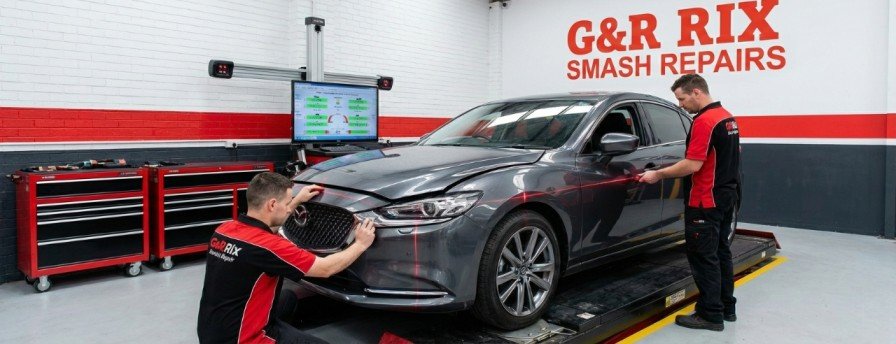
Panel alignment is usually the last thing most drivers worry about after a collision. You see the dent, you notice the scratch, and you book the paint. Simple, right? But do you know the real problem often hides underneath? Look below to know how.
When panels sit out of place, your car can pull, whistle at speed, or protect you less in another impact. Which means lost value, poor handling, and safety systems that may not work as designed. But we made this guide to show you what misalignment really means, why it matters more than fresh paint, and how proper car repair after a crash in Liverpool protects your car and wallet as well.
Why Is Panel Alignment Important After a Collision?
Safety and structural integrity
After a collision, safety depends on more than airbags and paint. Poor panel alignment can throw off airbag sensors, weaken crumple zones, and cause the doors to jam when you need them most. A bent structure changes how your car reacts in another impact. So, technicians correct alignment to factory specs, so crash energy moves where engineers intended, not into the cabin.
Vehicle alignment after a crash and handling changes
When panels and the frame sit out of position, the car rarely drives straight. You may notice pulling, vague steering, or strange behavior during sudden moves. Misalignment changes suspension geometry and reduces control, especially on winding regional roads. However, proper alignment restores predictable handling, stable braking, and confident cornering. So that your car feels right again, not nervous or uneven.
Long-term repair durability
Alignment errors rarely stay small. Stress builds in the wrong places, paint cracks sooner, seals wear out, and panels shift over time. So, what looks fine today can turn into rattles, leaks, and premature wear. But accurate alignment spreads loads evenly across the structure. So, that approach protects repairs long after the shop visit ends and keeps the vehicle solid for years.
How poor alignment affects resale value
Buyers notice uneven gaps, stuff doors, and panels that do not sit flush. Those signs suggest hidden damage or rushed repairs, even if the engine runs well. Poor alignment lowers confidence and price fast. On the other hand, correct alignment tells a different story. It shows careful repair, proper restoration, and a vehicle that receives professional attention, which keeps protecting its value.
What Proper Panel Alignment Really Means
Body line consistency
Body lines tell the whole story of your repair. When lines flow cleanly from panel to panel, the structure underneath sits where it should. Broken or wandering lines usually mean the metal never returns to its original position. So, it can lead to stress points, future cracking, and panels that shift over time. But proper alignment restores those lines so the car looks right from every angle and stays that way, not just under shop lighting.
Door, bonnet, and boot alignment
Doors, bonnets, and boots must open and close without force. If they rub, drop, or need a hard push, something sits out of place. Poor alignment can strain hinges, damage latches, and let water or wind sneak in. Correct alignment sets these panels to close smoothly, seal properly, and protect internal components. It also means no slamming, no rattles, and no surprises later.
Factory Tolerance Panel Gaps
Even panel gaps are not about perfection but about precision. Manufacturers specify exact tolerances for a reason. Consistent gaps confirm the vehicle returns to its original shape. Uneven spacing of any points leads to rushed work or unresolved structural movement. But accurate alignment brings gaps back within spec so panels flex correctly, seals last longer, and the repair holds up in daily diving, not just at handover.
Structural Damage vs Cosmetic Damage
Paint hides poor alignment
Fresh paint can fool anyone. Shine, color match, and clear coat often distract from panels that sit too high, too deep, or slightly twisted. You may not notice the issue until wind noise starts, doors feel off, or seals wear unevenly. Paint only covers the surface, and it never fixes how the vehicle fits together. Proper repairs correct the structure first, and then paint finishes that job.
Chassis alignment and frame straightening
The chassis sets the foundation for every panel suspension point and safety system. If it shifts even slightly, no amount of adjustment will make the panels fit correctly. Frame straightening pulls the structure back to precise measurements using control force and calibrated data. That process restores mounting points, suspension geometry, and load paths. However, without it, the panels only mask a deeper problem that continues to affect how the car drives and protects you.
Structural repair accuracy vs. visual finish
A repair can look good and still be wrong. Visual finish focuses on what you see at handover. Consequently, structural accuracy focuses on how the car behaves over the years. Accurate repair follows factory data measurement checks and control alignment steps. That approach also prevents stress, cracks, uneven wear, or repeated issues. Overall, visual quality matters, but structure determines safety, durability, and confidence behind every wheel.
Hidden damage beneath panels
Impact force travels far beyond the visible dent. Inner supports, mounts, and reinforcement points often bend while outer panels spring back. Without proper measurement, that damage stays hidden until problems show up later. Structural checks find and fix these issues early, before they turn into safety risks or costly follow-up repairs.
Why do measurements matter more than appearance?
Eyes can miss millimeters, but measuring systems do not. Accurate repairs rely on data, not guesswork, to confirm the structure sits exactly where it should. Proper measurements ensure panels align naturally, suspension loads stay balanced, and the safety system responds correctly. So, appearance may impress at pickup, but measurements protect you every time you drive.
Common Body Panel Alignment Issues After an Accident
Uneven panel gaps
Uneven gaps across guard doors and bonnets usually point to more than a cosmetic issue. One tight edge and one wide edge often mean the panel is attached to a shifted mounting point. As the vehicle flexes during driving, these gaps can grow, causing paint damage, worn seals, and panels that slowly drift out of position.
Panel gap issues after collision
Panel gaps after an accident can change when the car returns to regular use. Temperature changes, road vibration, and chassis load reveal tension left in the structure. If repairs rely on adjustment instead of correction, gaps move over time. But proper alignment removes that stress so panels stay consistent for years, not just at delivery.
Wind noise after repair
Wind noise after body repair work usually signals poor panel fitment. Air forces its way through gaps where panels sit too high, too low, or slightly twisted. That noise often worsens at speed and during crosswinds. Correct alignment restores factory airflow, protects door seals, and keeps the cabin quiet and weather-tight.
Poor panel alignment signs
Here are common poor panel alignment signs.
- Don’t need extra force to close or pop open evenly.
- The bonnet or boot sits higher on one side.
- Panels rub, chip, paint, or catch when opening.
- Whistling or wind noise appears at speed.
- Body lines do not follow smoothly across panels.
Professional Panel Repair After a Collision
Professional smash repair process
A professional panel repair after a collision follows a clear, methodical approach to restore safety and appearance. Each step ensures panels fit, lines match, and the vehicle drives as intended. However, typical steps include the following.
- Initial damage assessment and measurement
- Frame straightening and chassis alignment
- Panel removal and replacement as needed
- Panel alignment and fitting to factory specs
- Final inspection and test drive
All in all, this process guarantees that smash repair quality standards are met, so every panel sits correctly, and the car performs safely.
Collision repair standards
Collision repair standards focus on restoring the vehicle to its original condition, not just making it look good. Technicians follow structured steps to maintain safety, durability, and alignment.
- Confirm structural damage and hidden issues.
- Follow the manufacturer’s repair procedures for frames and panels
- Use precision measuring tools for alignment checks
- Repair or replace damaged components with certified parts
- Conduct post-repair inspections to verify fit, function, and finish
So, adhering to these accident repair quality checks ensures your vehicle is safe, reliable, and visually seamless.
What to look for after car panel alignment repair
A thorough post-repair inspection checklist ensures every panel, hinge, and alignment point meets safety and quality standards. Below are the collision repair workmanship indicators to ensure the safety and durability of your vehicle.
Even panel gaps
Check all panel edges from multiple angles. Consistent gaps show the panels sit correctly on the frame, reducing stress points and preventing paint chips or seal wear over time.
Flush body lines
Look along the body lines across doors, guards, and fenders. Smooth, continuous lines come from the structure being returned to factory specifications and the panels not being forced into place.
Door, bonnet, and boot operation
Open and close each panel several times. Should move easily and seal snugly, indicating proper hinge alignment and latch function, which prevents rattles and water leaks.
Wind noise check
Drive the car at a moderate speed and listen for the whistling or drafts. Proper panel alignment maintains aerodynamic airflow and keeps the cabin quiet while protecting seals from premature wear.
Seal integrity
Inspector sales and weatherstripping for tight contact with panels. Proper seals prevent water, dirt, and air from entering the cabin, ensuring comfort, longevity, and corrosion protection.
Suspension handling
Take the car for a short test drive. It should track straight without pulling or uneven steering feedback, showing the frame, chassis, and suspension geometry align correctly after repairs.
Why Choose G&R Rix Smash Repair?
G&R Rix Smash Repair delivers precision and reliability for every vehicle that comes through our doors. Our team focuses on quality smash repairs in Liverpool, restoring both safety and appearance to factory standards. Using advanced equipment and proven techniques, we handle everything from frame straightening to panel alignment with care. Also, for those seeking professional panel beating in Liverpool, we ensure each door, bonnet, and boot closes smoothly, gaps stay consistent, and the vehicle drives exactly as intended. So, every repair we complete combines safety, durability, and visual excellence, giving you confidence behind the wheel.
Frequently Asked Questions
Q1: What is panel alignment in car repairs?
Panel alignment car repair refers to how car panels, such as doors, bonnets, boots, and fenders, sit relative to each other and the vehicle structure. Proper post-accident panel alignment ensures panels meet factory specifications with consistent gaps and smooth body lines. It’s not cosmetic, but it affects handling safety and structural integrity. Technicians also adjust or repair the underlying frame and mounts to restore panels to their correct position.
Q2: Why is panel alignment important after a collision?
After a collision, misaligned panels can indicate hidden structural issues. Proper alignment restores body lines, corrects suspension geometry, and ensures the doors, bonnet, and boot operate safely. It also protects the crumple zone airbag function and vehicle handling. In addition, misaligned panels can develop stress points and seal wear, and the car may pull or rattle while driving.
Q3: Can paint hide poor panel alignment?
Yes, fresh paint can make panels appear flawless while masking underlying issues. Panels may sit proud, recessed, or slightly twisted, which paint cannot correct. These hidden misalignments can lead to uneven gaps, wind noise, sticking doors, and premature wear. Proper repair focuses on restoring the structure and panel fit before painting, ensuring both appearance and performance match manufacturer specifications.
Q4: How do I know if my car panels are misaligned?
Look for uneven gaps between panels, doors, or bonnets that stick or require extra force, and body lines that don’t flow smoothly. Listen for wind noise while driving and check seals for gaps or leaks. Misaligned panels can also affect handling, with the car pulling or feeling unstable. These signs indicate the vehicle may need professional measurements and realignment.
Q5: Is poor panel alignment dangerous?
Yes, misaligned panels can compromise safety. They may affect airbag sensors, crumple zones, and structural integrity in another collision. Doors, bonnets, or boots may not open or close properly during emergencies. Misalignment can also alter suspension geometry, reducing handling predictability. Correct car panel alignment after an accident ensures the car absorbs crash forces as the design protects passengers and maintains safe driving performance.
Q6: Does panel alignment affect resale value?
Absolutely. Buyers notice uneven gaps, misaligned panels, and doors that don’t close properly. These issues suggest hidden damage or rushed repairs, which lower trust and resale value. Accurate panel alignment demonstrates proper structural restoration, smooth lines, and reliable repairs. Vehicles with consistent gaps, flush panels, and smooth operations also command higher value because they indicate quality, safety, and professional attention.
Q7: Should alignment be fixed before painting?
Yes, alignment must be corrected before painting. Painting panels without fixing the underneath misalignment only masks structural issues and can lead to uneven gaps, chipped edges, and seal wear. Proper repair restores body lines and the mounting points first. Once everything sits correctly, paint is applied, ensuring the vehicle looks flawless while maintaining long-term durability, safety, and factory-standard performance.
Q8: What causes panel alignment issues after an accident?
Panel misalignment typically results from structural shifts during a collision. Bent frames, damaged mounting points, or distorted hinges prevent panels from sitting correctly. Even a minor impact can twist panels after suspension geometry or stress mounts, causing uneven gaps and doors, bonnets, or boots that stick.
Q9: How long does panel alignment repair take?
Repair time varies depending on the severity of the damage. Minor misalignment adjustments may take a few hours, while frame or structural repairs take several days. The process includes measuring the chassis, straightening frames, realigning panels, and performing post-repair inspections.
Q10: Who checks panel alignment after smash repairs?
Trained technicians check alignment after smash repairs. They use measurement tools, laser systems, and factory specifications to ensure body lines, panel gaps, and mounting points meet manufacturer repair tolerances. Post-repair inspection also confirms doors, bonnet, and boot operate smoothly, panels sit flush, and vehicle drives correctly, ensuring safety performance and visual quality.
Conclusion
Overall, proper panel alignment is more than a cosmetic detail, but it directly affects your car’s safety, handling, durability, and value. Ignoring misalignment can lead to uneven gaps, rattles, compromised airbags, and reduced resale value. However, professional repair restores both structure and appearance, ensuring every panel, door, bonnet, and boot functions as designed. So, by prioritizing precision and factory standards, you can protect your investment and drive with confidence. Always remember, true repair quality starts with correct panel alignment.